OSTEOARTHRITIS
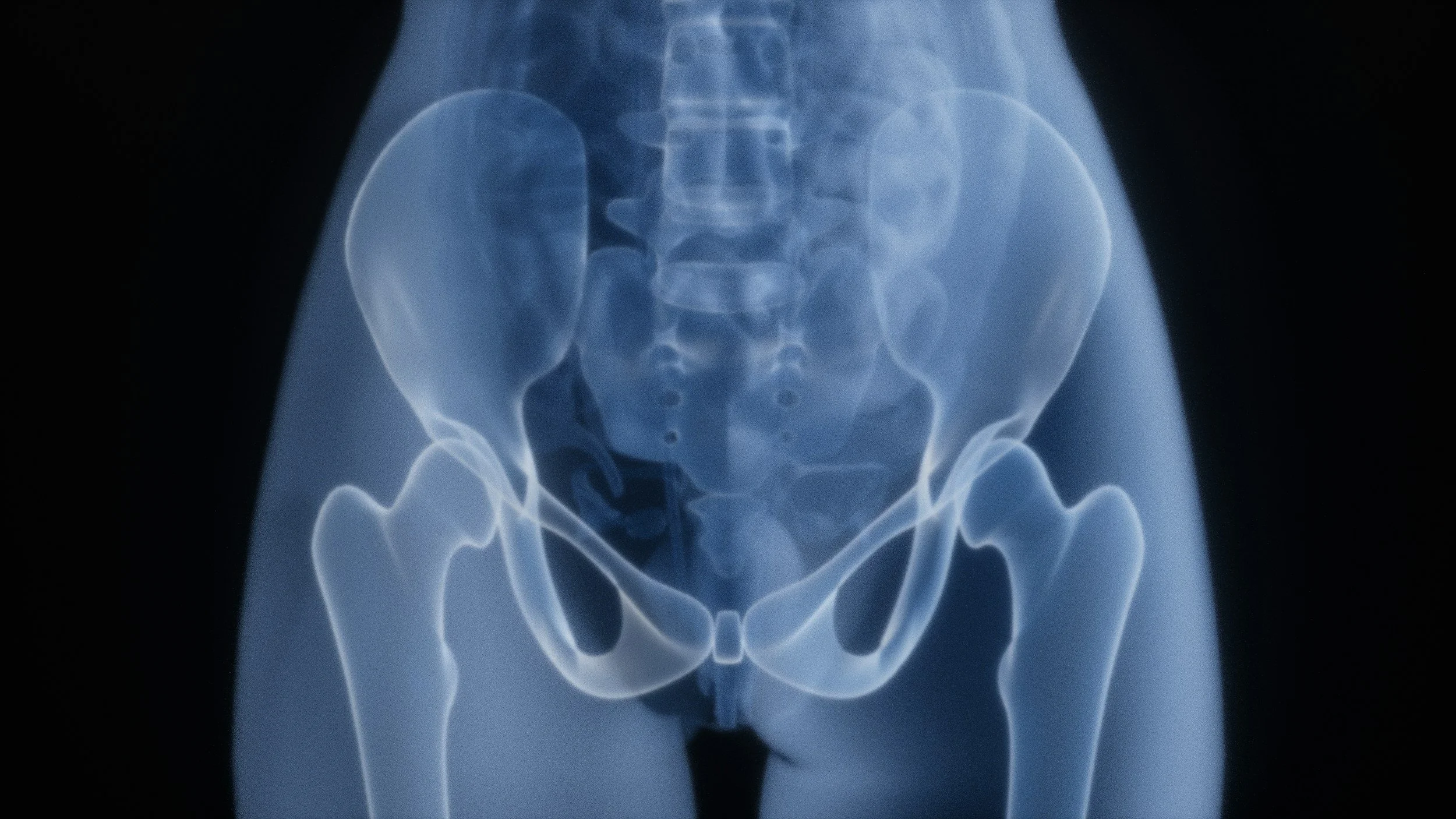
It’s no wonder so many people over 70 wince when they climb stairs. Some 85 percent of people that age have evidence of osteoarthritis (OA): broken-down cartilage (the spongy, shock absorbing tissue covering the ends of bones), deteriorating tendons and ligaments, and inflammation of the joint lining, Ouch. But the disease can set in much earlier. It becomes more common after 45 and affects twice as many women as men–a gender disparity that grows after women reach menopause, possibly because estrogen is protective but dwindles in midlife. “The biggest risk factors are obesity, which puts extra strain on joints, and prior injuries to the joint or surrounding tissue, but genetics plays a role for some people too,” says Laura Cappelli, MD associate professor of medicine and oncology in the division of rheumatology at Johns Hopkins School of Medicine in Baltimore.
OA can strike any joint, but it’s most common in the hands, knees, hips, lower back, neck, toes and fingers, according to the American College of Rheumatology. Signs that you’re starting to develop a problem include pain during activity, mild morning stiffness that goes away when you’re out of bed and moving, and joints that are swollen or crack or click when you bend them. “Stiffness and swelling are related to inflammation,” says Dr. Cappelli.
Although you cannot cure joint damage without surgery or a joint replacement, you can reduce OA’s progression by taking good care of your internal hinges. Losing weight, for instance, takes pressure off your joints. (Bonus points for doing it by eating a Mediterranean diet–rich in fatty fish, olive oil, nuts, vegetables and fruit– which could help reduce inflammation.) And regular exercise strengthens the muscles that support and protect your joints, says Dr. Cappelli. In 2018, University of Delaware researchers reported that people with knee OA who added five minutes a day of moderate-to vigorous-intensity walking (a rate of more that 100 steps per minute) were 16 percent less likely to have a knee replacement during the five years of the study.
What’s more, low-impact exercise such as walking, cycling, swimming, and tai chi can reduce pain in OA sufferers as can over-the counter non-steroidal anti-inflammatories (NSAIDs) and prescription meds for those who need them.
Exercise can also protect you from developing OA–even running, which most people think of as hard on the joints. A 2017 meta-analysis of 17 studies with a total of 114,829 people found that just 3.5 percent of recreational runners developed hip or knee OA compared with 10.2 percent of sedentary people and 13.3 percent of competitive runners. Staying fit now can protect your joints later. “Strong muscles are good for joints.