RHEUMATOID ARTHRITIS
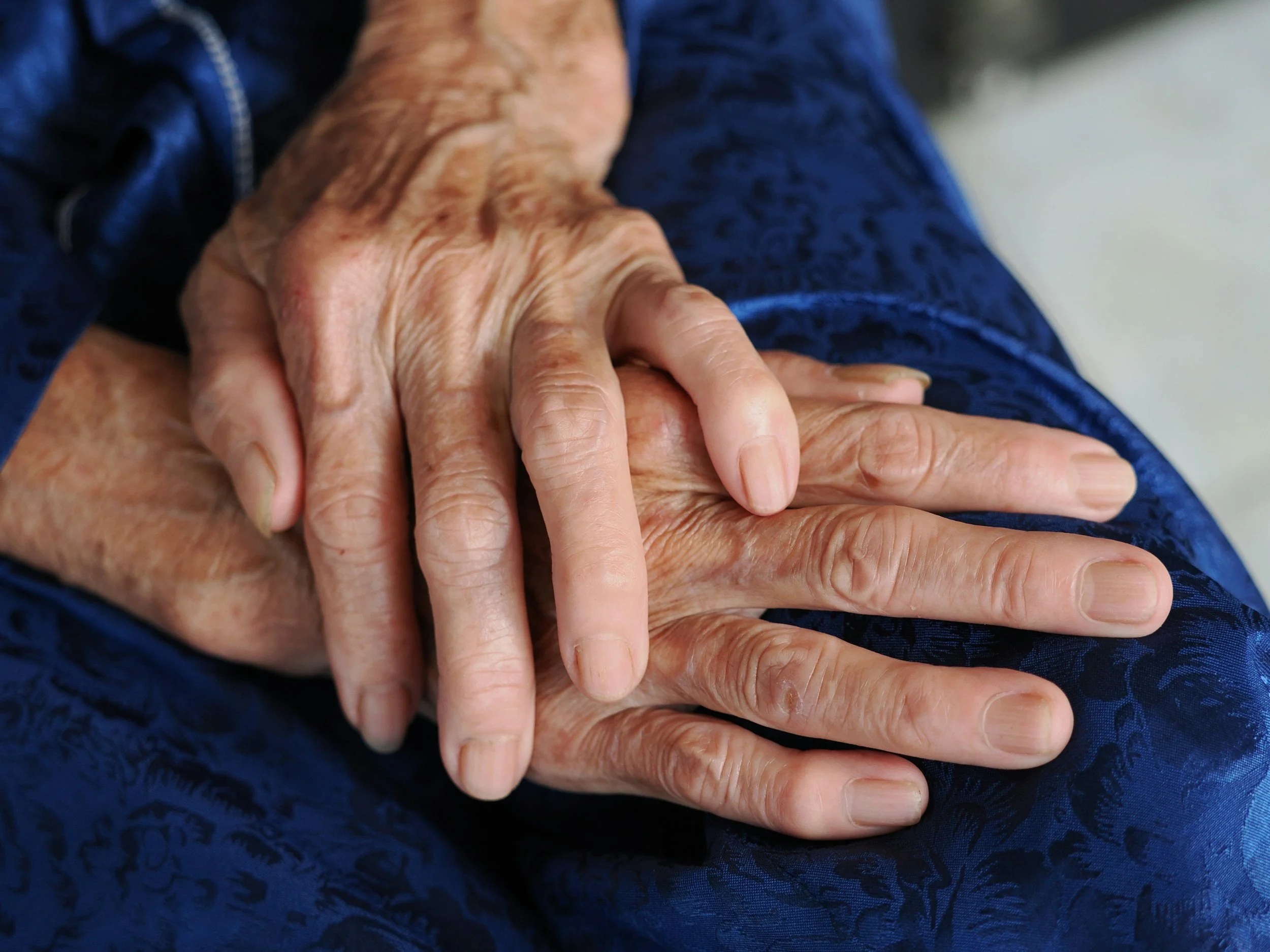
The most common form of inflammatory arthritis, rheumatoid arthritis (RA) affects upward of 1.5 million people in the U.S., and women are three times more likely to get it than men. In women, it usually starts between the ages of 30 and 60. (It’s rare in men under 45.) Like all forms of inflammatory arthritis, RA is an autoimmune disease, in which the immune system attacks the body’s own tissue. “Women may be more vulnerable due to hormones or gene expression or other biological adaptations that developed through evolution to allow women to have successful pregnancies,” says Dr. Cappelli. “Women’s and men’s immune systems aren’t identical, because we don’t go through the exact same stages of life.”
RA causes inflammation in the synovial lining, a thin layer of cells in the joint that produces joint fluid. “It tends to affect the small joints of the hands, wrists, and feet,” says John Davis III, MD, a rheumatologist/internist and professor of medicine at Mayo Clinic in Rochester, Minnesota. “But it can hit larger joints, like the knees and upper cervical spine, too.” And it’s sometimes symmetrical–meaning it may affect both sides of the body. Since RA can cause inflammation throughout your body, it could produce symptoms like dry eyes, fever, and fatigue.
“Although the exact cause of RA isn’t clear, risk factors include smoking, peridontal disease, obesity, and diets high in sugar and processed foods,” says Dr. Davis. Genes are partly to blame as well. RA has been linked to an immune system gene called HLA-DR4. Among rheumatoid arthritis patients of European ancestry, up to 70 percent carry the gene, compared with 30 percent in the general population.
Key signs of RA include morning stiffness that lasts an hour or two (or more), fatigue, low fevers, and loss of appetite. The disease, which can cause severe joint damage, typically progresses without treatment, so it’s important to catch it early. A blood test to look for the presence of anti-citrullinated protein antibodies (immune system antibodies that target healthy tissue) can help diagnose people in the early stages of the disease.
Treatments include range-of-motion stretches, low-impact exercise, physical and occupational therapy, and judicious rest at times when the disease is flaring up.